

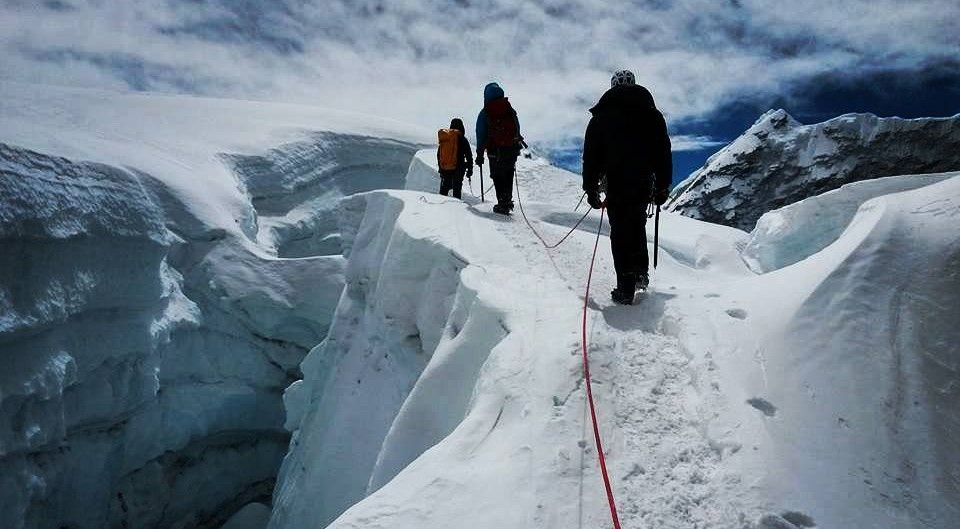

10 Essential Tips for Trekking in the Himalayas of Nepal.
Trekking in the Himalayas of Nepal is an amazing adventure with stunning views and challenging trails. Here are ten simple tips to make sure your trek is safe and fun. Join Gateway Nepal Tourism for various Trek and Tours.
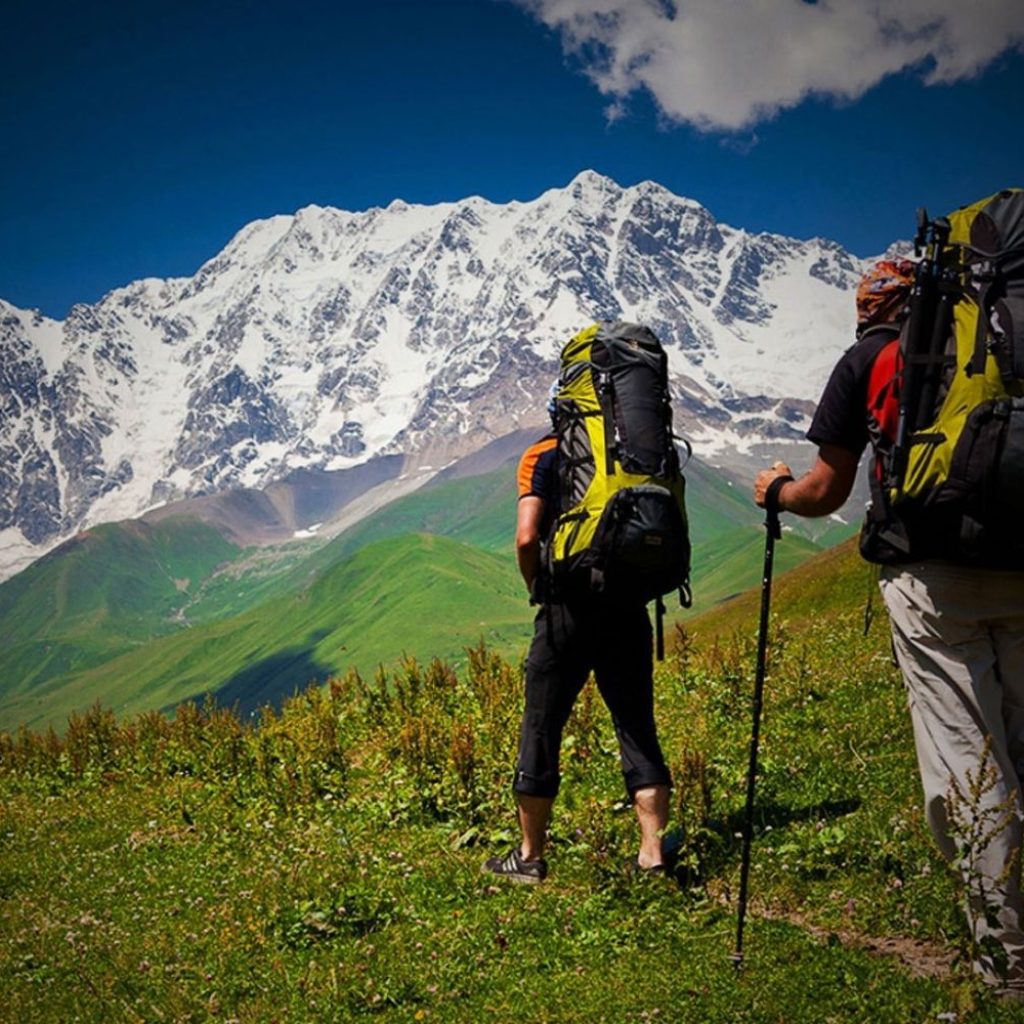
1. Pick the Right Trek:
Choosing the right trek is essential to having a good experience. If you’re new to trekking, consider starting with a popular and less challenging route like the Mardi Himal Trek or Panckpokhari. These trails offer breathtaking scenery and a variety of amenities that make them accessible for beginners. Experienced trekkers might opt for more challenging routes like the Manaslu Circuit or the Everest Base Camo Trek.
2. Go During the Best Season:
The weather in the Himalayas can be unpredictable, so it’s important to plan your trek during the best seasons. The pre-monsoon months (March to May) and post-monsoon months (September to November) are ideal. During these times, the weather is more stable, the skies are clearer, and the temperatures are more comfortable for trekking. Avoid the monsoon season (June to August) when trails can be slippery and dangerous.
3. Improve your Fitness:
Trekking in the Himalayas requires good physical fitness. Start preparing a few months in advance with a fitness routine that includes cardio exercises like running, cycling, or swimming. Strength training exercises will help build the muscles needed for hiking with a loaded backpack. Additionally, practice hiking on local trails to get used to walking on uneven terrain and to break in your trekking boots.
4. Pack Smart:
A well-packed backpack can make your trekking experience much more enjoyable. Essential items include a high-quality backpack, sturdy trekking boots, layered clothing for varying temperatures, a warm sleeping bag, a first aid kit, and sufficient food and water supplies. Don’t forget to bring a hat, sunglasses, and sunscreen to protect yourself from the sun, as well as rain gear in case of unexpected weather changes.
5. Walk slowly:
Altitude sickness is a common concern when trekking in the Himalayas. To avoid it, it’s crucial to acclimatize properly. Ascend gradually, taking your time to adjust to the higher altitudes. Plan your trek with built-in rest days to allow your body to adapt. Stay well-hydrated, eat regularly, and avoid alcohol and smoking. If you experience symptoms of altitude sickness, such as headaches, nausea, or dizziness, descend to a lower altitude and seek medical advice if necessary.
6. Hire a Guide or Porter:
Hiring a local guide or porter can greatly enhance your trekking experience. A guide will provide valuable insights into the local culture, history, and geography, ensuring you get the most out of your trek. Porters can help carry your gear, allowing you to focus on the journey and enjoy the scenery. Additionally, hiring locals supports the local economy and helps sustain the communities you visit.
7. Respect Local Culture:
The Himalayas are home to diverse cultures and communities with rich traditions. Show respect for local customs and religious practices by being mindful of your behavior and dress. Always ask for permission before taking photos of people, especially in remote villages. Learn a few basic phrases in the local language to show appreciation and respect for the culture.
8. Stay Hydrated and Eat Well:
Proper hydration and nutrition are crucial for maintaining energy levels and overall health during your trek. Drink plenty of water throughout the day, even if you don’t feel thirsty. Consider carrying water purification tablets or a portable water filter to ensure a safe water supply. Pack high-energy snacks like nuts, dried fruits, and energy bars to keep your energy up between meals. Eat regular, balanced meals to fuel your body for the strenuous activity.
9. Protect the Environment:
Trekking in the Himalayas means treading lightly on a fragile ecosystem. Follow Leave No Trace principles to minimize your environmental impact. Carry out all your trash, avoid using plastic, and stick to marked trails to prevent soil erosion and protect local flora and fauna. Respect wildlife and refrain from picking plants or disturbing natural habitats.
10. Be Ready for Emergencies:
Despite thorough preparation, emergencies can happen. Carry a fully charged phone, a detailed map, a whistle, and a basic first aid kit. Familiarise yourself with the signs of altitude sickness and other potential hazards, such as hypothermia and dehydration. Make sure someone knows your trekking itinerary and check in regularly if possible. Being prepared can make a crucial difference in an emergency situation.
0 Comment